

Blog
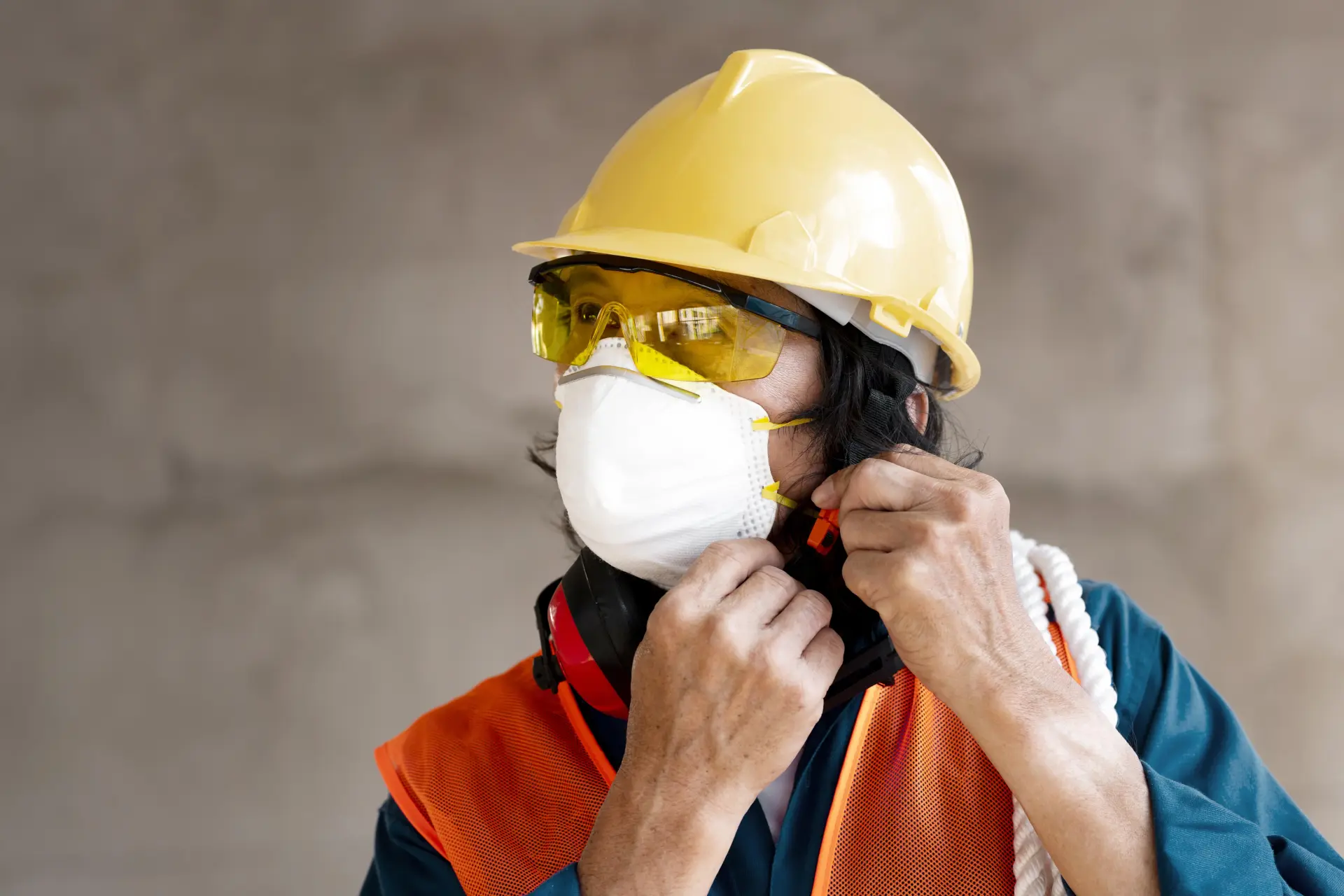
Common PPE Compliance Violations in Industrial Sites – And How AI Can Prevent Them
Perleybrook Team
03 March 2026
Safety & Security
Introduction
In industrial environments such as manufacturing plants, construction sites, warehouses, and energy facilities, personal protective equipment (PPE) is the first line of defense against workplace injuries. Helmets, safety shoes, gloves, vests, masks, and goggles are essential for protecting workers from serious hazards.
Yet, PPE non-compliance remains one of the leading causes of industrial accidents. Even with safety policies and regular training, violations continue to occur—often unnoticed until an incident happens.
This is where AI-powered PPE compliance monitoring is redefining industrial safety.
Why PPE Compliance is Still a Challenge in Industrial Sites
Despite strict safety regulations, many organizations rely on:
- Manual supervision
- Periodic safety audits
- Worker self-reporting
These traditional methods have clear limitations:
- Supervisors cannot monitor every area at all times
- PPE violations can occur in seconds
- Human monitoring is prone to fatigue and oversight
As a result, unsafe behavior often slips through the cracks.
Most Common PPE Compliance Violations in Industrial Workplaces
1. Not Wearing Safety Helmets
Workers may remove helmets due to discomfort or overconfidence, increasing the risk of severe head injuries from falling objects or equipment.
2. Absence of Safety Shoes
Skipping protective footwear exposes workers to:
- Crush injuries
- Sharp object penetration
- Slips and falls
3. Missing or Improper Safety Vests
Without high-visibility vests, workers are harder to detect around forklifts, cranes, and heavy vehicles—leading to collision risks.
4. Lack of Protective Gloves
Handling machinery, chemicals, or sharp materials without gloves can result in cuts, burns, and long-term skin damage.
5. No Face Masks or Eye Protection
In dusty or chemical environments, failure to wear masks or goggles increases the risk of respiratory illness and eye injuries.
Limitations of Manual PPE Compliance Monitoring
Manual PPE monitoring:
- Is reactive rather than preventive
- Depends heavily on human attention
- Cannot scale across large or multi-site operations
Even with CCTV systems in place, reviewing footage manually is time-consuming and inefficient.
How AI-Powered PPE Detection Systems Prevent Violations
1. Real-Time PPE Detection System
An AI-based PPE detection system uses computer vision to analyze live camera feeds and automatically identify whether workers are wearing required PPE.
2. PPE Detection Cameras with Instant Alerts
A smart PPE detection camera can trigger:
- Real-time alerts to supervisors
- On-site audio or visual warnings
- Automated incident logs
This enables immediate corrective action—before an accident occurs.
3. Continuous PPE Compliance Monitoring
Unlike manual checks, AI-driven PPE compliance monitoring operates:
- 24/7 across all shifts
- Without fatigue or bias
- Consistently across all locations
4. Data-Driven Safety Insights
AI systems generate actionable insights such as:
- High-risk zones with frequent violations
- Shifts or tasks with low PPE adherence
- Trends that help improve safety training
5. Scalable Across Industrial Facilities
AI-powered PPE monitoring can be deployed across:
- Single factories
- Multiple plants
- Large industrial campuses
All managed through a centralized dashboard.
Business Benefits of AI-Based PPE Compliance Monitoring
Beyond worker safety, organizations benefit from:
- Reduced workplace injuries and downtime
- Lower insurance claims and compensation costs
- Improved regulatory compliance and audit readiness
- Stronger ESG and corporate safety performance
- A proactive safety culture driven by accountability
Conclusion
Safety policies alone are not enough. Consistent enforcement and real-time visibility are critical to preventing workplace incidents.
By implementing an AI-powered PPE detection system, industrial organizations can move from reactive safety checks to proactive accident prevention, ensuring that PPE compliance becomes a continuous, automated process rather than a manual burden.