

Blog
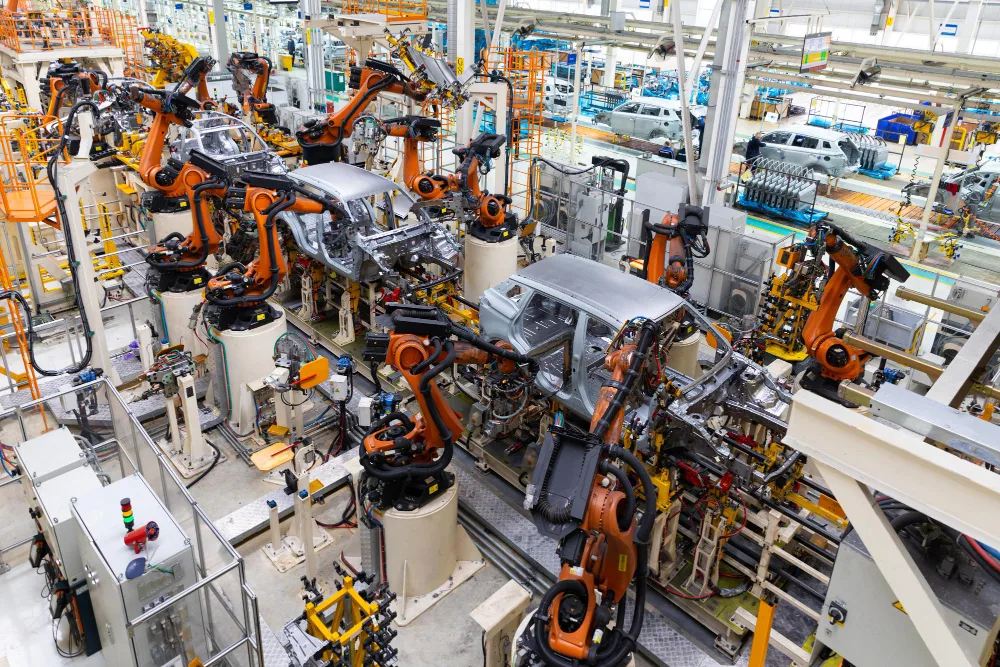
How AI Vision Systems Are Closing the Gap Between Industry 4.0 and Industry 5.0 Safety
Perleybrook Team
06 July 2026
Manufacturing
The manufacturing landscape is evolving rapidly. While Industry 4.0 revolutionized factories through automation, connectivity, and data-driven decision-making, the next industrial era—Industry 5.0—places people back at the center of innovation. It emphasizes collaboration between humans and intelligent machines, ensuring that technological advancement enhances worker well-being alongside operational efficiency.
At the heart of this transition are AI industrial safety systems, particularly AI-powered vision systems that provide real-time monitoring, predictive insights, and proactive risk management. These technologies are helping manufacturers bridge the difference between Industry 4.0 and 5.0, creating workplaces that are not only smarter but also safer and more human-centric.
Understanding the Difference Between Industry 4.0 and Industry 5.0
Before exploring how AI vision systems contribute to safer workplaces, it’s important to understand the difference between Industry 4.0 and 5.0.
Industry 4.0: Smart Automation
Industry 4.0 introduced technologies that transformed manufacturing through:
- Industrial IoT (IIoT)
- Automation and robotics
- Cloud computing
- Big data analytics
- Artificial Intelligence
- Machine learning
The primary objective was to maximize efficiency, reduce operational costs, and increase productivity through interconnected systems and automated processes.
While these advancements significantly improved production, workplace safety often relied on conventional monitoring methods, manual supervision, and reactive incident management.
Industry 5.0: Human-Centric Manufacturing
Industry 5.0 builds on the digital foundation established by Industry 4.0 while prioritizing human collaboration, sustainability, and resilience.
Its key principles include:
- Human-machine collaboration
- Worker well-being
- Sustainable operations
- Intelligent decision support
- Personalized automation
- Enhanced workplace safety
Instead of replacing people, intelligent technologies are designed to assist workers, reduce occupational risks, and improve overall workplace experiences.
This shift has made Industry 5.0 safety a strategic priority for manufacturers worldwide.
Why Traditional Safety Systems Are No Longer Enough
Modern manufacturing environments are increasingly complex. Multiple production lines, autonomous equipment, forklifts, contractors, and visitors often operate simultaneously within shared spaces.
Traditional safety approaches typically involve:
- Manual inspections
- CCTV monitoring
- Periodic audits
- Incident reporting after accidents occur
These methods have limitations:
- Human operators cannot continuously monitor dozens of cameras.
- Unsafe behaviors may go unnoticed.
- Hazards are often identified only after an incident.
- Delayed responses increase operational and safety risks.
Manufacturers now require intelligent systems capable of identifying potential hazards before they lead to accidents.
AI Vision Systems: The Foundation of Industry 5.0 Safety
AI vision systems use advanced computer vision and deep learning algorithms to analyze video feeds in real time. Unlike conventional surveillance systems that simply record events, AI vision solutions understand what is happening within industrial environments.
These AI industrial safety systems continuously monitor operations, detect unsafe conditions, and generate instant alerts when safety protocols are violated.
This proactive approach transforms workplace safety from reactive incident management into predictive risk prevention.
How AI Industrial Safety Systems Improve Smart Factory Safety
1. Real-Time PPE Compliance Monitoring
Personal Protective Equipment (PPE) remains one of the most fundamental safety requirements in manufacturing.
AI vision systems automatically verify whether workers are wearing:
- Safety helmets
- Reflective vests
- Safety glasses
- Gloves
- Protective footwear
Instant notifications enable supervisors to address compliance issues before work begins, reducing the likelihood of workplace injuries.
2. Hazard Zone Detection
Manufacturing facilities contain restricted areas where unauthorized access can result in serious accidents.
AI vision systems can:
- Detect personnel entering dangerous zones
- Monitor machine operating areas
- Identify unauthorized access
- Trigger immediate alerts
This significantly strengthens smart factory safety by preventing exposure to high-risk environments.
3. Human and Machine Collaboration
One defining characteristic of Industry 5.0 is collaboration between workers and intelligent machines.
AI vision systems support this collaboration by monitoring interactions between:
- Operators
- Autonomous mobile robots (AMRs)
- Forklifts
- Industrial robots
- Heavy machinery
When unsafe proximity or unexpected movement is detected, alerts can be issued instantly, reducing collision risks without interrupting productivity.
4. Behavioral Safety Monitoring
Many workplace accidents result from unsafe behaviors rather than equipment failures.
AI vision systems can identify actions such as:
- Entering prohibited areas
- Unsafe climbing
- Improper equipment usage
- Failure to follow operational procedures
By recognizing risky behaviors early, organizations can intervene before incidents occur.
5. Continuous Monitoring Across Large Facilities
Large manufacturing plants often operate around the clock across multiple production lines.
AI vision systems provide:
- 24/7 monitoring
- Simultaneous analysis of multiple camera feeds
- Consistent safety enforcement
- Reduced reliance on manual surveillance
Unlike human monitoring, AI does not experience fatigue, distraction, or inconsistent attention.
Supporting Smart Factory Safety Through Data
Beyond real-time monitoring, AI vision systems generate valuable operational insights.
Manufacturers can analyze:
- Frequently occurring safety violations
- High-risk operational zones
- PPE compliance trends
- Near-miss incidents
- Employee movement patterns
- Equipment interaction data
These insights enable safety teams to make informed decisions, optimize workflows, and implement preventive measures based on evidence rather than assumptions.
Creating a Human-Centric Manufacturing Environment
The transition toward Industry 5.0 safety is not about replacing workers with AI—it is about empowering them.
AI vision systems help organizations:
- Reduce workplace injuries
- Improve employee confidence
- Strengthen safety culture
- Support faster emergency response
- Minimize operational disruptions
- Enhance regulatory compliance
By reducing repetitive monitoring tasks, safety professionals can focus on training, continuous improvement, and strategic risk management.
Why AI Vision Systems Are Essential for Industry 5.0
As manufacturing becomes increasingly connected and collaborative, safety systems must evolve alongside production technologies.
AI vision systems deliver:
- Real-time hazard detection
- Intelligent workplace monitoring
- Predictive safety insights
- Automated compliance verification
- Scalable deployment across facilities
- Faster incident prevention
These capabilities bridge the gap between automation-focused Industry 4.0 and human-centered Industry 5.0, enabling manufacturers to build safer, smarter, and more resilient operations.
The Future of Smart Factory Safety
The next generation of manufacturing will depend on intelligent systems that balance productivity with worker well-being. AI vision technology is becoming a critical component of this transformation, enabling organizations to move beyond reactive safety practices toward proactive, data-driven risk prevention.
As AI continues to advance, AI industrial safety systems will play an even greater role in protecting employees, supporting operational excellence, and driving sustainable industrial growth.
Conclusion
The difference between Industry 4.0 and 5.0 extends beyond technology—it reflects a shift in priorities. While Industry 4.0 focused on automation and efficiency, Industry 5.0 emphasizes collaboration between humans and intelligent systems, with workplace safety at its core.
AI vision systems are making this transition possible by delivering real-time monitoring, predictive insights, and intelligent automation that protect workers without compromising productivity. As manufacturers embrace Industry 5.0 safety, investing in advanced AI-powered vision solutions will be key to building resilient, people-first, and future-ready smart factory safety ecosystems.