

Blog
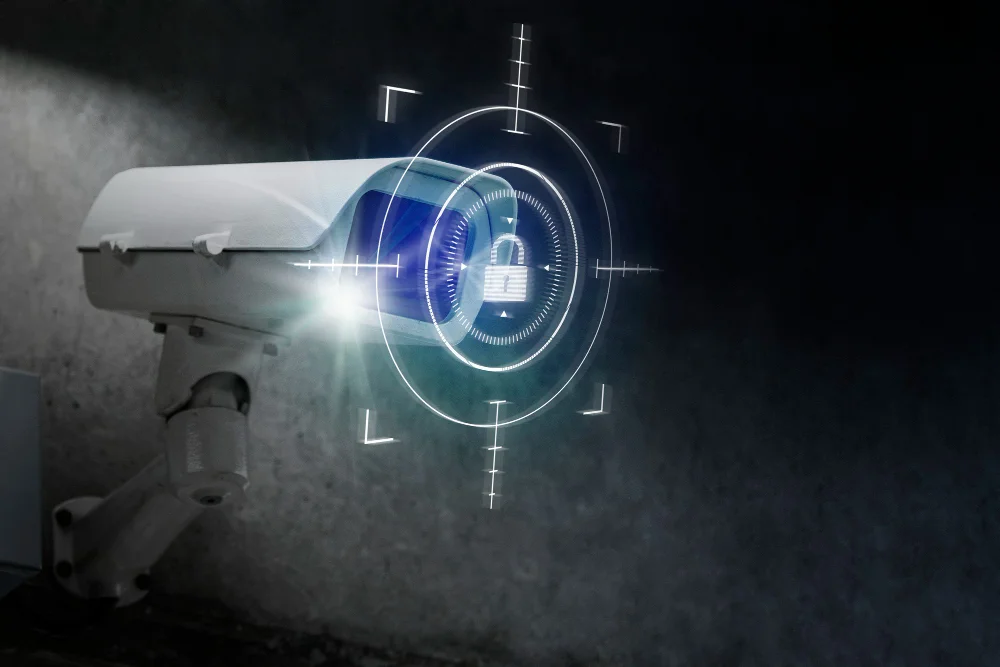
The Rise of AI in Industrial Safety
Perleybrook Team
22 December 2024
Safety & Security
Introduction
Workplace safety has always been the backbone of successful industrial operations. From construction sites to manufacturing plants, ensuring worker protection is not only a legal responsibility but also a moral one. Today, Artificial Intelligence (AI) is emerging as a game-changer in industrial safety, transforming the way risks are identified, managed, and prevented. By 2025, AI-powered systems are not just assisting safety managers—they are actively predicting hazards, monitoring compliance, and enabling smarter decisions.
Predictive Safety Analytics
Instead of reacting to incidents, industries are now embracing predictive analytics to foresee risks.
- AI analyses historical accident data, near-miss reports, and real-time sensor inputs.
- It identifies patterns of unsafe behaviour or equipment failure before they escalate.
- For example, predictive models can warn managers about potential machine breakdowns or fatigue-related accidents among workers.
This shift means industries move from a “reactive safety culture” to a “proactive prevention model.”
Computer Vision for Hazard Detection
AI-powered cameras are revolutionizing real-time monitoring of workplaces:
- PPE Compliance Detection: Ensuring workers wear helmets, vests, and gloves.
- Restricted Zone Alerts: Identifying unauthorized entry into dangerous areas.
- Hazard Spotting: Detecting oil spills, fire risks, or unsafe stacking of materials.
This continuous “safety surveillance” helps organizations reduce human error and respond instantly to potential risks.
AI-Powered Wearables
Smart helmets, gloves, and vests are more than protective gear—they are intelligent safety devices:
- Monitor vital signs like heart rate, temperature, and fatigue.
- Send alerts for unsafe posture, exposure to harmful gases, or prolonged stress.
- Enable two-way communication between workers and safety teams in emergencies.
These wearables act like a personal safety assistant, keeping workers connected and protected.
Automation & Robotics
Industrial robots and autonomous systems are reducing human exposure to high-risk environments:
- Robots handle dangerous tasks like welding, chemical handling, or working in confined spaces.
- Drones perform inspections of tall structures, pipelines, or hazardous areas.
- Autonomous forklifts improve logistics safety by reducing collisions.
With AI, robots are becoming adaptive and context-aware, making industrial sites safer and more efficient.
Integration with IoT & Digital Twins
The combination of IoT sensors and digital twins is unlocking new possibilities:
- IoT devices provide real-time data on equipment health, air quality, and worker movement.
- Digital twins create a virtual replica of the workplace where safety scenarios can be tested without real-world risks.
- Managers can simulate accidents, analyse outcomes, and redesign safer processes.
This integration creates a closed safety loop—monitor, predict, simulate, and prevent.
Future Outlook
As we step into the future, industrial safety will go beyond monitoring and prediction:
- Generative AI will design safer equipment and workflows.
- Voice-enabled AI assistants will guide workers hands-free during critical operations.
- Autonomous safety systems will take corrective action (like shutting down a machine) without waiting for human intervention.
These advancements point towards a future where AI doesn’t just assist safety, it actively enforces it.
Conclusion
AI is not here to replace safety officers, managers, or workers—it is here to empower them. By blending predictive analytics, computer vision, wearables, robotics, and IoT, industries can build safer, smarter, and more resilient workplaces.
In 2025 and beyond, the rise of AI in industrial safety will ensure that protecting workers is no longer reactive—it’s intelligent, preventive, and deeply integrated into everyday operations.