

Blog
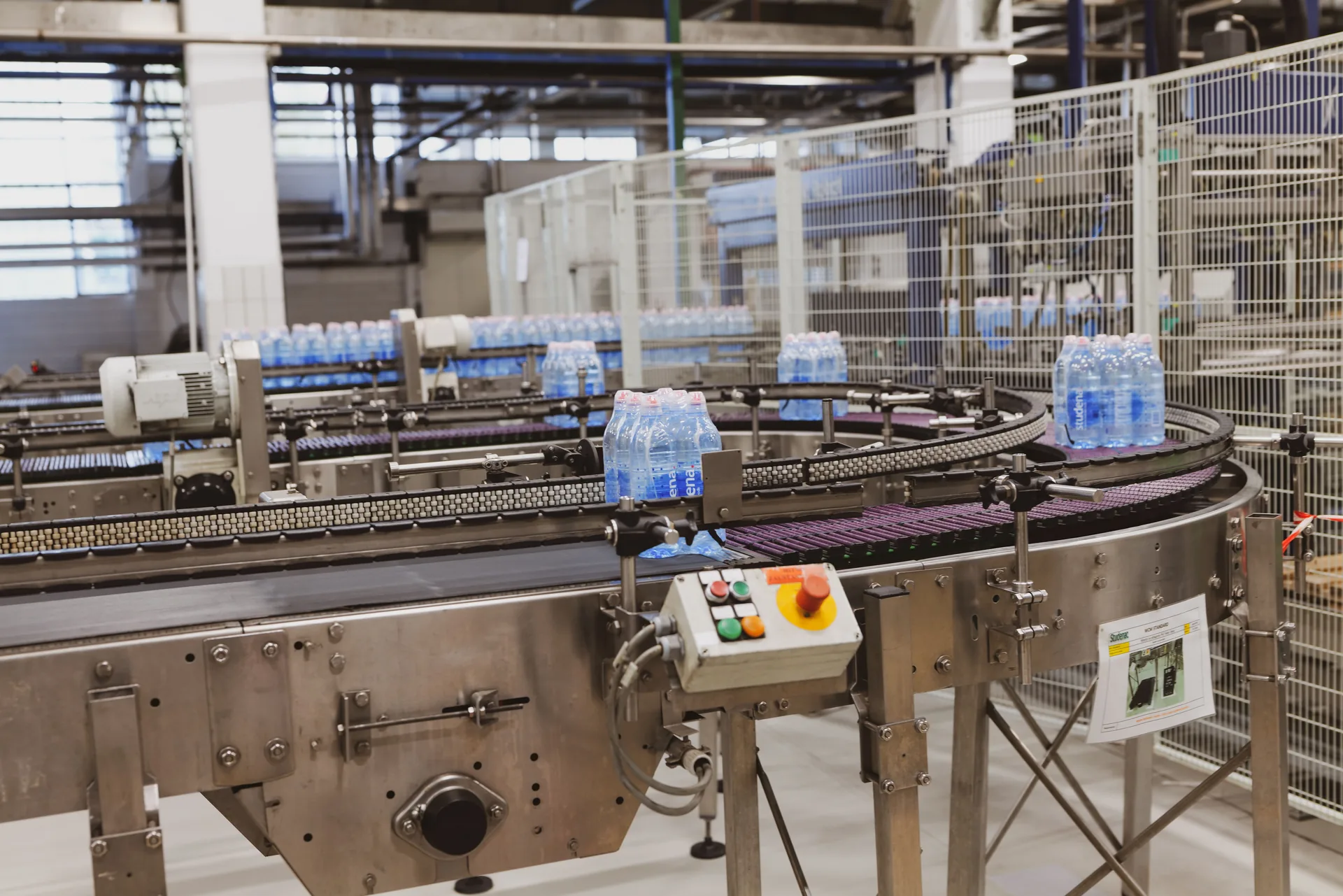
AI-Powered Conveyor Belt Inspection: Detecting Tears, Damage & Defects
Perleybrook Team
14 September 2026
Safety & Security
Conveyor belts are essential to material movement across industries such as manufacturing, mining, ports, logistics, cement, steel, and warehousing. They operate continuously under demanding conditions, carrying heavy materials over long distances.
A small tear, cut, crack, or surface defect can quickly become a major operational problem. If damage is not identified early, it can lead to belt failure, material spillage, unplanned downtime, equipment damage, and costly repairs.
Traditional conveyor belt inspections often depend on manual visual checks, which can be difficult when belts are long, fast-moving, elevated, or operating in harsh environments. This is where AI conveyor belt inspection can provide a smarter and more continuous approach to monitoring belt conditions.
By combining industrial cameras, AI-based image analysis, machine vision, and real-time alerts, AI vision systems can help detect visible belt abnormalities before they develop into more serious failures.
What Is AI Conveyor Belt Inspection?
AI conveyor belt inspection is the use of artificial intelligence and machine vision technologies to continuously monitor conveyor belts and identify visible defects or abnormal conditions.
Industrial cameras capture images or video of the belt while it is operating. AI models analyse this visual information to identify predefined defect patterns and abnormalities.
Depending on the application, the system can be designed to detect conditions such as:
- Tears and cuts
- Belt cracks
- Surface damage
- Holes
- Edge damage
- Belt misalignment
- Splices and joint abnormalities
- Material accumulation
- Foreign objects
- Excessive wear
- Other visible belt defects
Instead of relying only on periodic manual inspections, AI-based systems can provide continuous visual monitoring of critical conveyor infrastructure.
Why Conveyor Belt Inspection Is Important
Conveyor belts are exposed to continuous mechanical stress. Heavy loads, sharp materials, friction, environmental conditions, and repeated operation can gradually affect belt condition.
Some damage may initially be small and difficult to identify during routine inspections. However, a minor defect can expand as the belt continues to operate.
For example:
Small cut → Progressive damage → Belt failure → Production downtime
Early detection can give maintenance teams an opportunity to investigate the problem and take corrective action before the damage becomes more severe.
This makes conveyor belt damage detection an important part of preventive maintenance.
How AI-Based Conveyor Belt Inspection Works
An AI vision inspection system generally follows a simple process:
Capture → Analyse → Detect → Alert → Inspect → Act
1. Camera-Based Image Capture
Industrial cameras are installed at suitable points along the conveyor system.
The camera configuration depends on factors such as:
- Conveyor width
- Belt speed
- Inspection area
- Lighting conditions
- Required detection accuracy
- Type of material being transported
- Expected defect size
The objective is to obtain clear and consistent images of the belt surface and edges.
2. AI Vision Analysis
The captured images are processed by an AI-powered vision system.
The AI model analyses visual characteristics of the belt and looks for patterns associated with damage or defects.
This is where AI vision inspection differs from basic camera monitoring. Instead of simply displaying video to an operator, the system can analyse the visual information and identify specific conditions automatically.
3. Defect Detection
When the AI identifies a potential defect, it can classify the condition according to the configured inspection requirements.
For example, the system may identify:
Tear → Crack → Hole → Edge Damage → Surface Defect
The classification capability depends on the AI model, training data, camera configuration, and application requirements.
4. Real-Time Alert
When a significant abnormality is detected, the system can generate an alert.
Alerts can potentially be integrated with:
- Operator interfaces
- Industrial control systems
- Alarm systems
- Monitoring dashboards
- Maintenance workflows
This helps bring attention to potential problems without requiring an operator to continuously watch a camera feed.
5. Maintenance Response
The final step is human action.
AI does not replace the maintenance team’s responsibility. Instead, it provides an additional layer of information that helps maintenance personnel identify where attention may be required.
The team can then inspect the conveyor, assess the severity of the damage, and decide on the appropriate maintenance action.
Conveyor Belt Tear Detection Using AI
One of the most important applications of AI-based conveyor monitoring is conveyor belt tear detection.
A tear can develop when sharp or heavy materials come into contact with the belt. If the tear continues to grow, it can eventually result in a significant belt failure.
AI-powered vision can be trained to recognise visual patterns associated with tears and cuts.
The effectiveness of tear detection depends on several factors, including:
- Camera resolution
- Camera position
- Lighting
- Conveyor speed
- Belt surface condition
- Defect size
- AI model quality
- Training data
For critical applications, AI detection should be validated against real operating conditions to understand its detection performance and limitations.
Conveyor Belt Defect Detection
Conveyor belt defect detection extends beyond tears.
A comprehensive inspection system can potentially monitor multiple visible conditions, including:
Surface Defects
The system can identify abnormal surface patterns, cuts, cracks, holes, and other visible damage.
Edge Damage
The edges of conveyor belts can experience wear, fraying, or tearing.
Monitoring the belt edges can help identify developing problems before they become more extensive.
Splice Inspection
Belt splices are critical points where sections of the belt are joined. Visual inspection can help identify abnormalities around these areas.
Material Build-Up
Material accumulation can affect conveyor operation and may contribute to abnormal belt behaviour.
Vision systems can provide an additional layer of monitoring for visible material build-up.
Belt Misalignment
A belt moving away from its intended path can indicate an operational or mechanical issue.
AI vision can be used alongside other monitoring technologies to identify visual signs of belt misalignment.
Key Benefits of AI Conveyor Belt Inspection
1. Continuous Monitoring
Unlike periodic manual inspections, an AI-powered system can monitor the conveyor while it is operating.
This provides a more continuous view of belt condition.
2. Early Damage Detection
Identifying a developing defect earlier can give maintenance teams more time to investigate and respond.
3. Reduced Unplanned Downtime
Unexpected conveyor failures can interrupt entire production or material-handling processes.
Early identification of visible defects can support preventive maintenance and potentially reduce unexpected interruptions.
4. Improved Inspection Consistency
Manual inspection can vary depending on the inspector, environmental conditions, and inspection frequency.
AI-based inspection applies the configured detection model consistently to the captured visual information.
5. Reduced Dependence on Manual Monitoring
Long conveyors can be difficult to inspect continuously, particularly in large industrial facilities.
AI vision can monitor designated inspection zones automatically and alert personnel when an abnormality is identified.
6. Better Maintenance Planning
Inspection information can help maintenance teams prioritise areas that require further investigation.
Instead of relying solely on routine inspection schedules, teams can use condition information to support more targeted maintenance decisions.
7. Digital Inspection Records
When integrated with appropriate software systems, inspection results can be recorded along with timestamps, images, locations, and defect classifications.
This can help create a historical record of conveyor belt condition.
Applications Across Industries
Mining
Mining operations often rely heavily on conveyor systems for transporting raw materials.
AI-powered inspection can help monitor belts for visible tears, surface damage, edge wear, and other abnormalities in demanding environments.
Ports and Material Handling
Ports use conveyor systems for continuous movement of bulk materials.
A conveyor failure can disrupt material handling and create significant operational delays. Continuous AI-based monitoring can provide an additional layer of visibility into belt condition.
Steel and Cement
Steel plants and cement facilities frequently use conveyors to transport raw materials and finished materials.
AI inspection can support monitoring of belts operating in large-scale industrial environments.
Manufacturing
Conveyor systems are widely used throughout manufacturing facilities.
AI vision inspection can be integrated into material-handling and production environments to monitor belt condition and support maintenance operations.
Warehousing and Logistics
High-throughput logistics facilities depend on conveyors to move packages and products efficiently.
Vision-based inspection can support monitoring of conveyor components and belt conditions, particularly in automated facilities where continuous operation is critical.
AI Vision Inspection vs. Traditional Inspection
| Traditional Inspection | AI Vision Inspection |
|---|---|
| Periodic manual inspection | Continuous visual monitoring |
| Requires personnel at inspection points | Remote monitoring possible |
| Can be affected by fatigue | Consistent automated analysis |
| Damage may be identified between inspections | Potential for earlier identification |
| Inspection records may be manual | Digital records can be generated |
| Difficult to monitor long conveyor systems | Multiple inspection points can be monitored |
AI vision should not be viewed as a replacement for every traditional inspection method. Instead, it can complement existing maintenance practices by providing continuous visual information.
Where Perleybrook Fits In
At Perleybrook Labs, AI-powered computer vision is being developed for industrial environments where real-time visual intelligence can support safety, monitoring, and operational decision-making.
The same underlying principles used in industrial AI vision—camera-based perception, AI analysis, edge computing, and real-time response—can be applied to conveyor belt inspection applications.
Perleybrook’s Flagman AI ecosystem is built around connecting industrial devices, intelligence, applications, and actionable insights.
A potential AI-based conveyor monitoring workflow can be represented as:
Industrial Camera
↓
Image / Video Capture
↓
AI Vision Analysis
↓
Tear / Damage / Defect Detection
↓
Real-Time Alert
↓
Maintenance Inspection & Action
This approach can be adapted to different conveyor configurations and industrial environments based on the specific inspection requirement.
Challenges in AI Conveyor Belt Inspection
Implementing AI-based conveyor monitoring also requires careful consideration.
Conveyor Speed
High-speed conveyors require cameras and processing systems capable of capturing sufficient visual information without missing critical areas.
Lighting Conditions
Changing illumination, shadows, dust, and reflections can affect image quality.
Defect Size
Very small defects require appropriate camera resolution and installation conditions.
Belt Surface Variation
Different belt materials, textures, colours, and levels of wear can influence AI model performance.
Environmental Conditions
Mining, steel, cement, and port environments can expose equipment to dust, vibration, moisture, and temperature variations. Industrial hardware must therefore be selected appropriately.
AI Training and Validation
AI models need representative data from the actual operating environment. Validation using real production conditions is essential before relying on the system for critical inspection decisions.
How to Start an AI Conveyor Inspection Project
Manufacturers and industrial operators should begin by defining the inspection requirement.
A practical evaluation can include:
- Identify the conveyor and inspection area.
- Define the defects that need to be detected.
- Determine the minimum defect size of interest.
- Evaluate conveyor speed and operating conditions.
- Select suitable cameras and lighting.
- Collect representative images and videos.
- Develop and validate the AI detection model.
- Integrate alerts and inspection outputs.
- Conduct pilot testing in the actual environment.
- Monitor and improve system performance over time.
Starting with a focused pilot can help organisations understand the practical performance and value of AI-based inspection before expanding across multiple conveyor systems.
The Future of Conveyor Belt Inspection
The future of conveyor monitoring is moving toward intelligent, connected condition monitoring.
AI vision systems can potentially be combined with other industrial data sources to create a more complete understanding of conveyor health.
Future inspection systems may include:
- AI-based defect classification
- Automated severity assessment
- Multi-camera conveyor monitoring
- Real-time defect localisation
- Historical defect tracking
- Predictive maintenance integration
- Edge AI processing
- Automated maintenance alerts
- Integration with industrial IoT platforms
This represents a shift from reactive maintenance to condition-based and predictive maintenance.
Instead of waiting for a conveyor belt to fail, organisations can increasingly use real-time data and AI-powered visual inspection to identify potential problems earlier.
Conclusion
Conveyor belts are critical assets in many industrial operations, and their failure can have a direct impact on productivity, safety, and operational costs.
AI conveyor belt inspection provides a way to continuously monitor belt conditions using industrial cameras and AI-powered vision. From conveyor belt tear detection to surface damage, edge abnormalities, and other visible defects, AI-based inspection can provide maintenance teams with earlier and more consistent information.
By combining AI vision inspection, industrial cameras, edge computing, and intelligent automation, Perleybrook Labs can extend its industrial AI capabilities into applications where continuous visual monitoring can create measurable operational value.
The future of conveyor maintenance is moving beyond periodic visual checks toward continuous, intelligent, and data-driven inspection—helping industries identify problems earlier and keep critical material-handling systems running more reliably.